

Planning a Daymaniyat Islands tour from Muscat? Discover what to expect, when to visit, how to get there, what you’ll see underwater, what to bring, and why this little corner of Oman might just become the highlight of your trip.
There are two kinds of people who visit the Daymaniyat Islands.
The first kind steps onto the boat, looks at the water and says, “Wow.”
The second kind takes approximately three minutes to look at the water, forgets about their phone, forgets about their schedule, and starts wondering if they can simply live on the boat.
We completely understand.
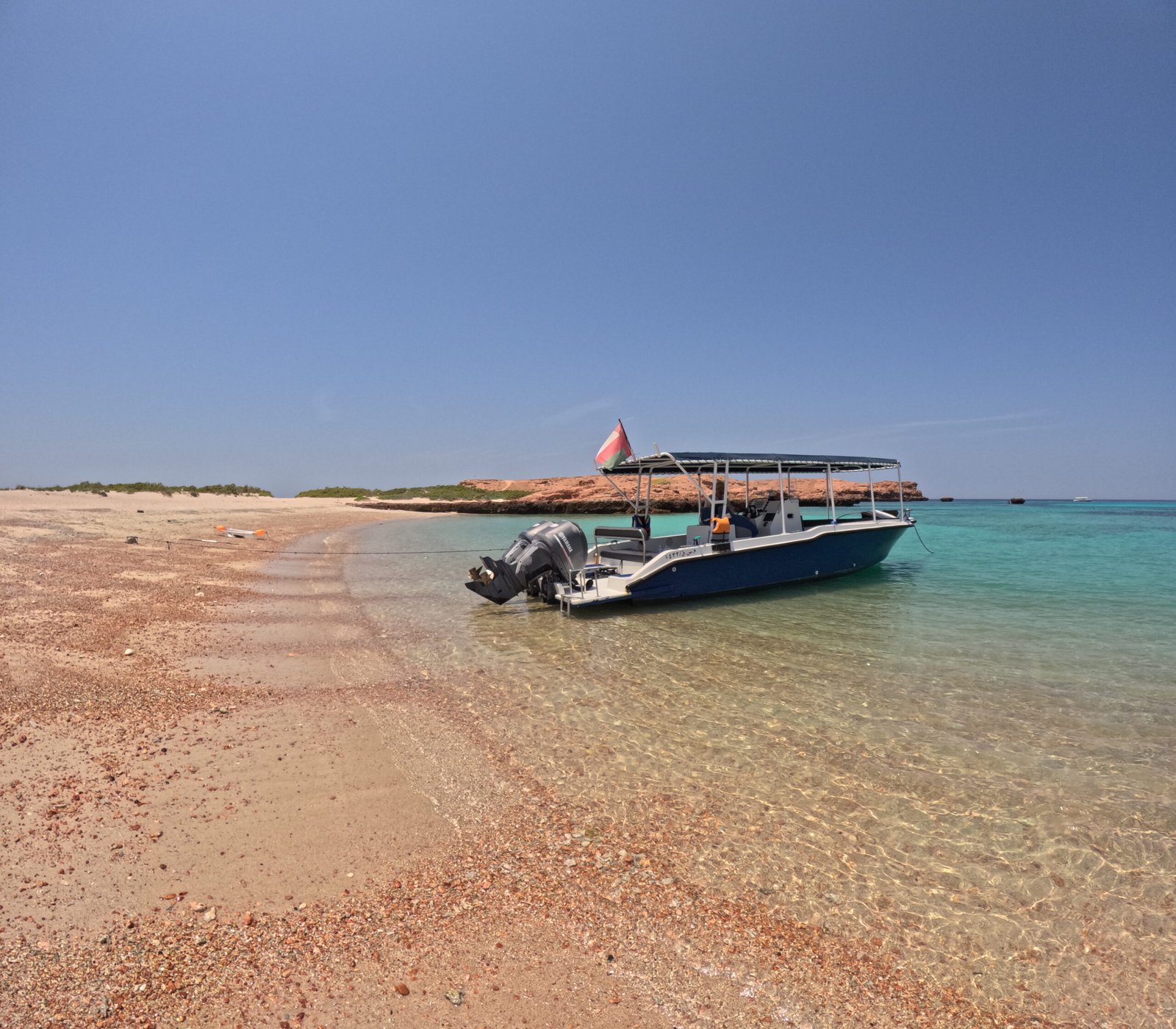
The Daymaniyat Islands are one of those places that make it very easy to forget you're only a short boat ride from Muscat. The city disappears behind you, the coastline gets smaller, the sea turns every shade of blue imaginable, and suddenly you're surrounded by nothing but open turquoise water, rocky islands and an underwater world that is surprisingly full of life.
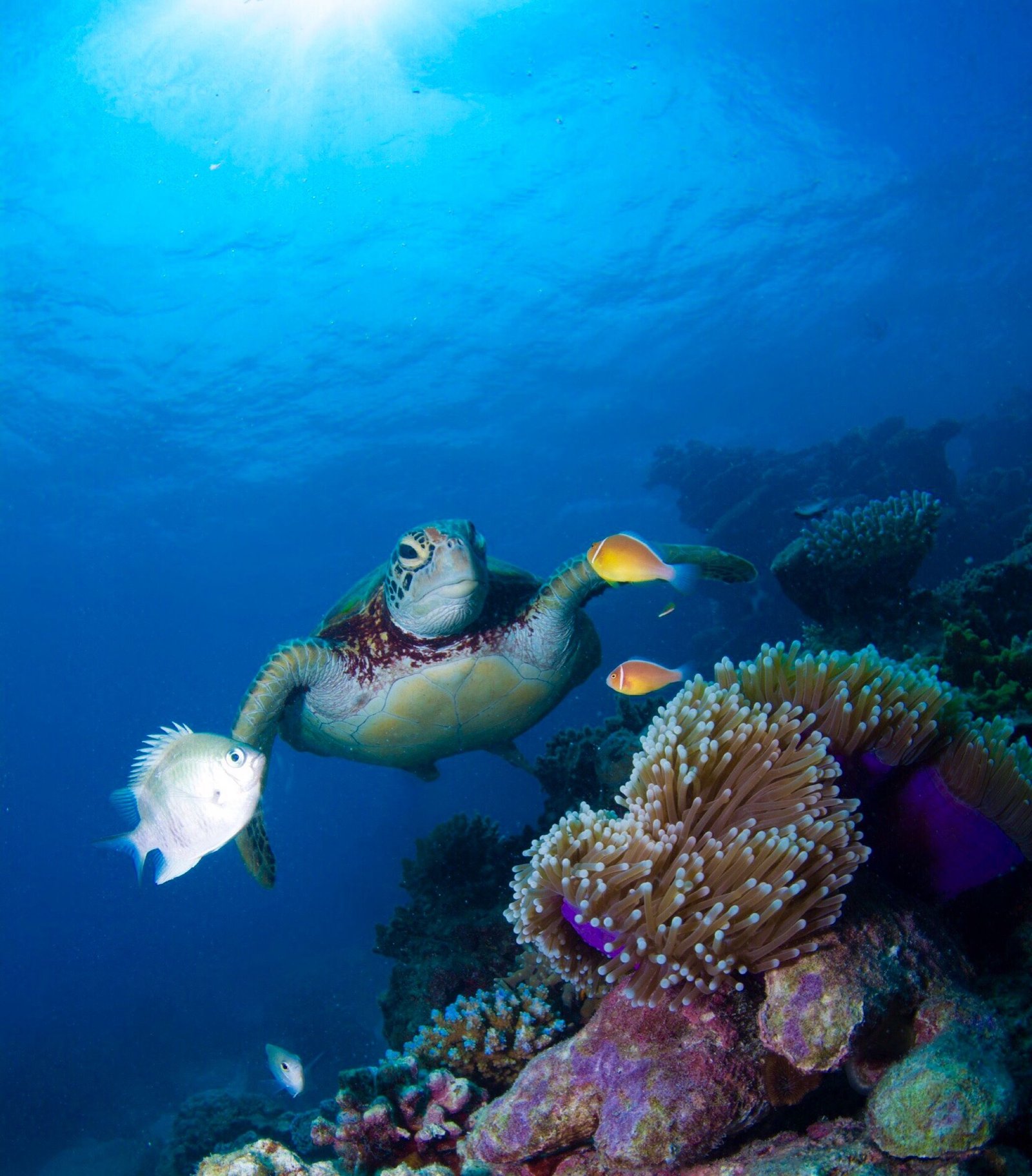
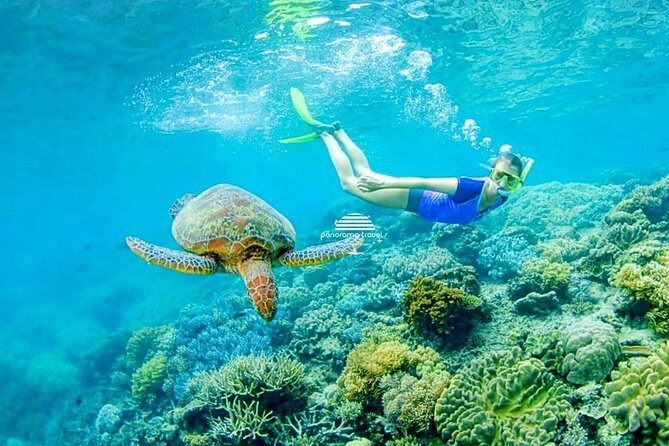
And then comes the moment everyone waits for. You put your face underwater. A turtle glides past. Congratulations! Your camera roll is now 47 photos of the same turtle.
But there's much more to the Daymaniyat Islands than beautiful photographs.This protected nature reserve is home to coral reefs, marine life, sea turtles and important bird habitats. It is also one of Oman's most memorable places for snorkeling and diving. The reserve was established in 1996 and consists of nine islands. So, if you're planning your first Daymaniyat Islands tour from Muscat, here's everything you need to know before you jump aboard.
What Are the Daymaniyat Islands?
The Daymaniyat Islands are a chain of nine islands in the Gulf of Oman, off the northern coast of Oman.
They form the Daymaniyat Islands Nature Reserve, a protected area known for its coral reefs, marine biodiversity, sea turtles and birdlife.
Unlike many popular beach destinations, there isn't a hotel, shopping mall or suspiciously expensive beach club waiting for you when you arrive.
Just nature.
And that's exactly the point.
The islands are rugged, largely untouched and surrounded by clear waters that make them particularly attractive for snorkeling and diving in Oman.
The official Oman tourism platform highlights the reserve for snorkeling, diving and underwater exploration, with its waters supporting diverse fish and marine species.
In other words, if Muscat shows you Oman's coastline, Daymaniyat shows you what's happening underneath it.
Why Are the Daymaniyat Islands So Special?
Let's be honest.
The photographs are already doing a pretty good job of selling the place.
But what makes Daymaniyat special isn't simply the turquoise water or white sand.
It's what lives underneath it.
Turtles
Sea turtles are one of the biggest attractions of the reserve.
The islands provide important habitat for nesting turtles, and visitors may encounter turtles while snorkeling in the surrounding waters. The Environment Authority specifically protects turtle nesting areas and prohibits visitors from disturbing nests, touching turtles or handling their eggs.
If you're lucky enough to see one underwater, don't chase it.
Trust us.
The turtle is not playing tag.
Stay calm, keep your distance and let it swim at its own pace. Quite often, the turtle will continue doing its thing while you float nearby enjoying one of those “Is this actually happening?” moments.
The Coral Reefs
The real magic of the Daymaniyat Islands begins when you put your face underwater.
The reserve's waters contain coral reefs and a variety of marine species, making it an important destination for snorkeling and diving.
You might see schools of colorful fish moving across the reef, spot a turtle resting or feeding, or simply find yourself staring at the underwater landscape for so long that your guide has to remind you that the boat is not going to wait forever.
The sea has a way of making five minutes feel like five seconds.
The scenery
Then there's the part you can enjoy without a mask.
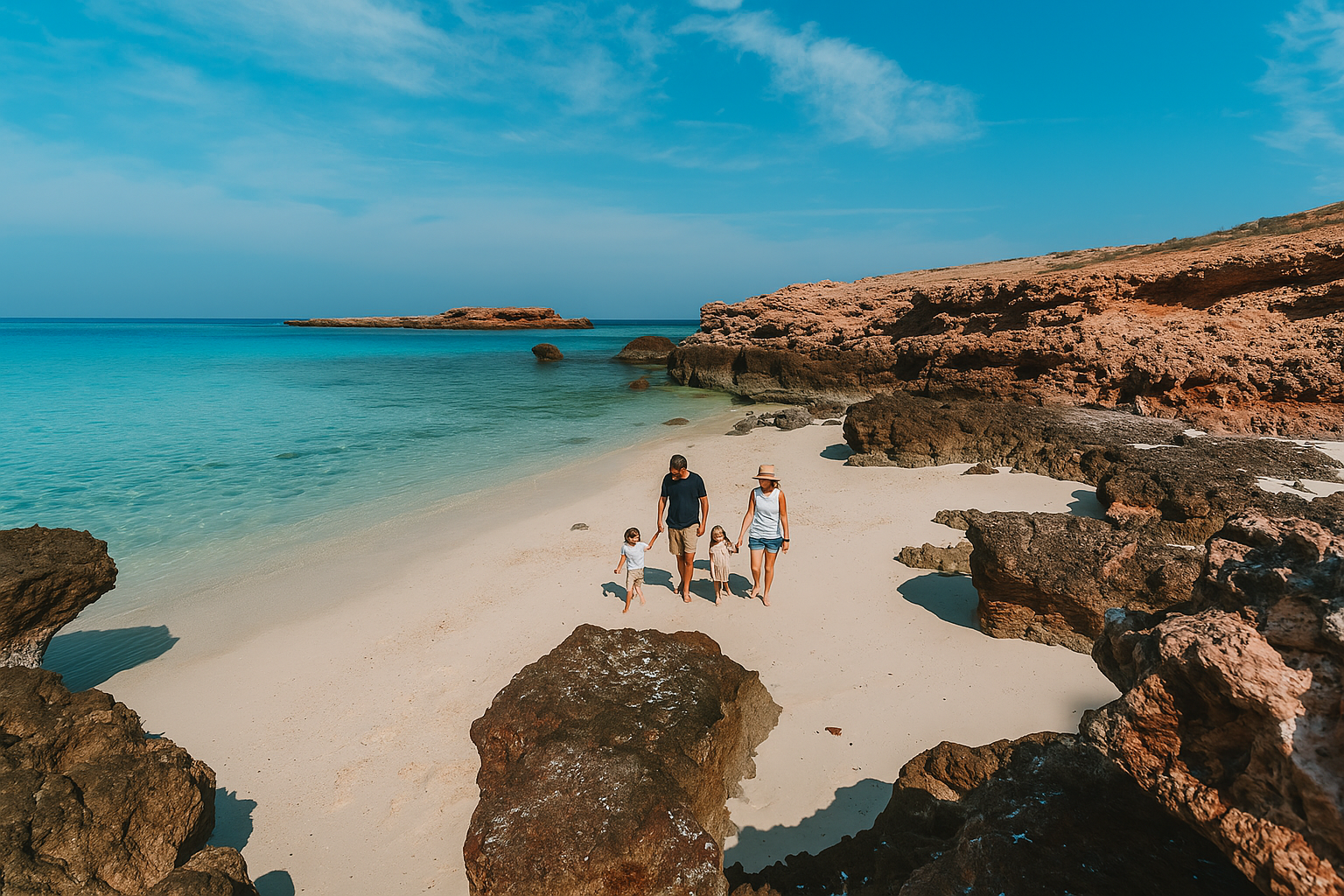
Rocky islands rise from the sea, surrounded by bright blue water and sandy beaches.
On a clear day, the contrast is spectacular.
Blue sea.
Blue sky.
Golden-white sand.
Dark rocky cliffs.
And you, standing there wondering why you didn't book this trip three days earlier.
How Do You Get to the Daymaniyat Islands from Muscat?
You go by boat.
There are no roads to the islands, no bridge and definitely no Google Maps route saying “turn left after the third camel.”
The islands are reached by sea, with boat trips departing from several locations around Muscat and the surrounding coastline.
The official Oman tourism booking platform describes the Daymaniyat Islands as a short boat trip from Muscat, with one current half-day experience listing the journey at around 40 minutes by boat. Actual travel time depends on your departure marina, boat and sea conditions. From Seeb Marina, where Daymaniyat Muscat Tour trip starts, it's just 30 minutes away.
For most first-time visitors, a half-day Daymaniyat Islands snorkeling trip is the easiest option.
A typical trip may include: Meeting your crew at the marina, a boat ride toward the islands, one or more snorkeling stops, time in the water looking for turtles and marine life, a chance to enjoy the scenery around the islands, returning to Muscat after your adventure, and yes, the boat ride itself is part of the fun.
Keep your eyes open.You may spend the first part of the journey talking, taking photos and trying to look effortlessly adventurous.
Then someone spots something in the water.
Suddenly everyone is on dolphin watch or whale shark swim.
Welcome to boat life.
What Is Snorkeling at Daymaniyat Islands Really Like?
If you've never snorkeled before, don't worry.
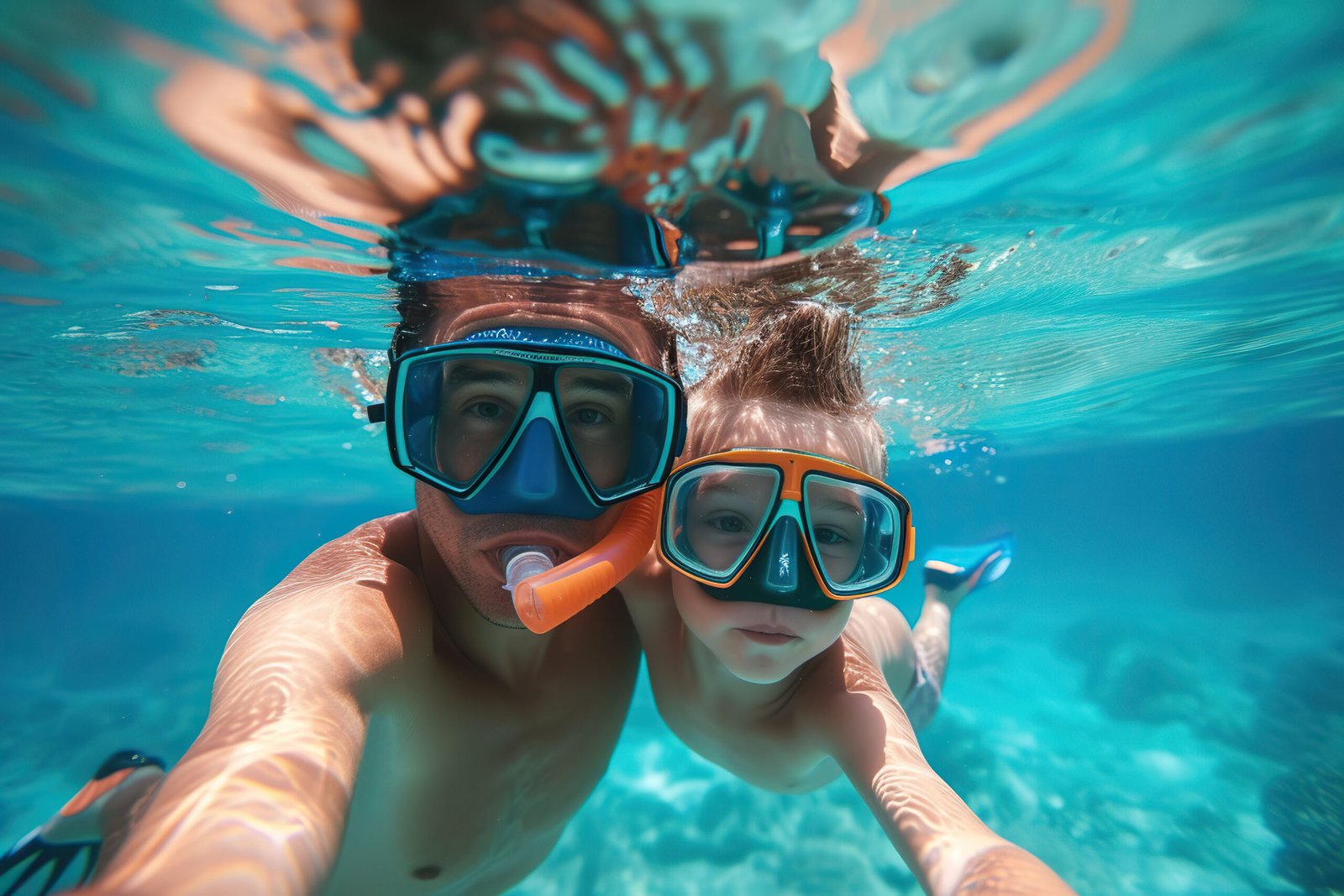
You don't need to be a professional diver or an Olympic swimmer to enjoy a Daymaniyat snorkeling trip.
Your guide will explain the basics, and reputable operators provide appropriate snorkeling and safety equipment.
Once you're in the water, the experience is wonderfully simple.
Put your face down.Breathe.Look around.And try not to forget to breathe because you're too busy staring at a turtle.
The official Oman tourism platform describes the reserve as a destination for snorkeling and diving, with coral reefs and diverse marine life.
Conditions can vary from day to day, so don't arrive expecting the exact same underwater experience you've seen in someone's Instagram video.The sea gets the final say.
Wind, waves, visibility and currents can all influence which snorkeling locations your captain chooses.
That's actually a good thing.
Experienced local crews can select locations based on the conditions rather than blindly following a fixed route.
What Marine Life Can You See?
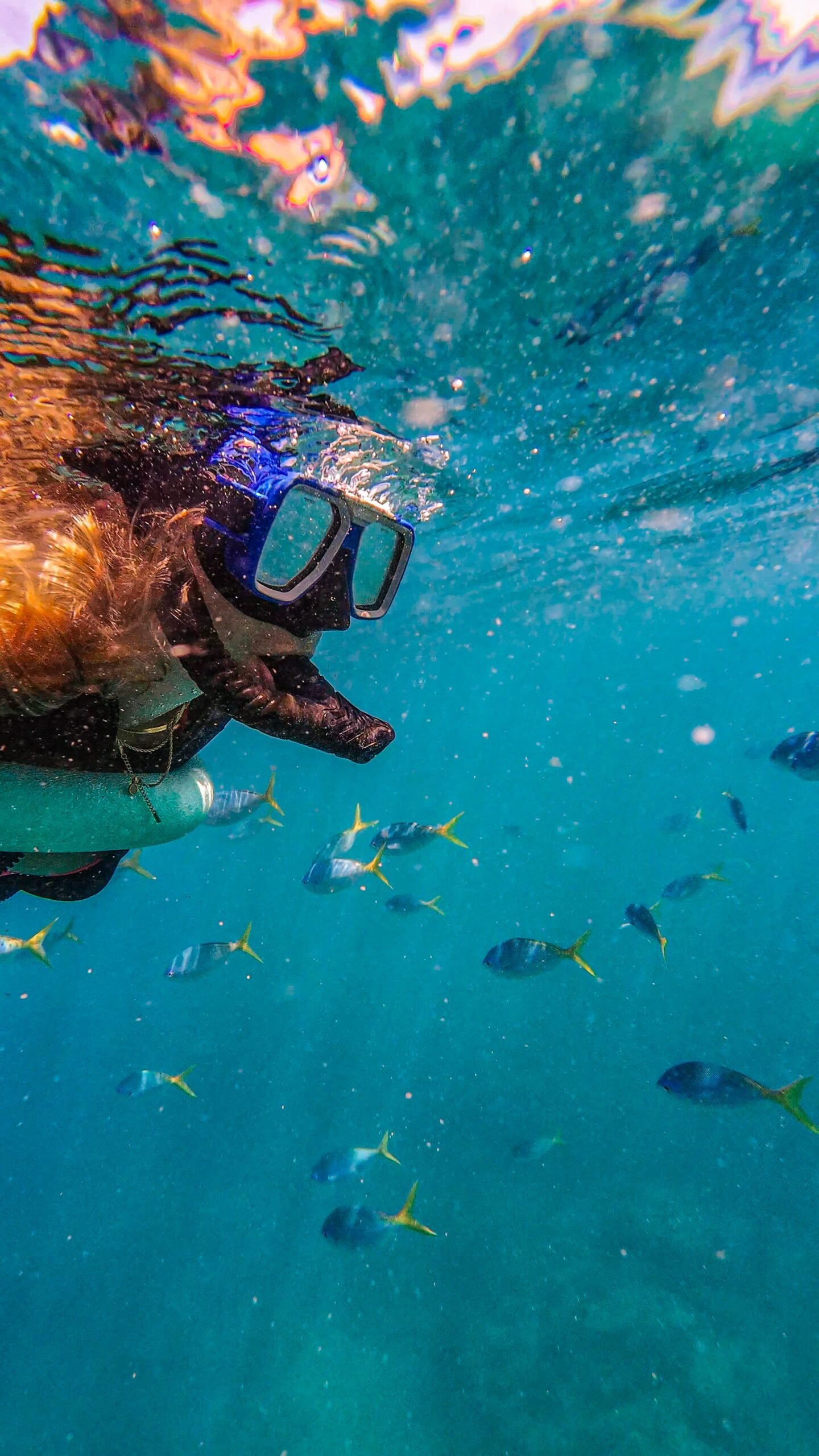
This is one of the most exciting parts of a Daymaniyat Islands snorkeling tour.
Every trip is different, because you're visiting a natural environment rather than an aquarium.
Sea turtles are the stars of the show, but they aren't the only ones.
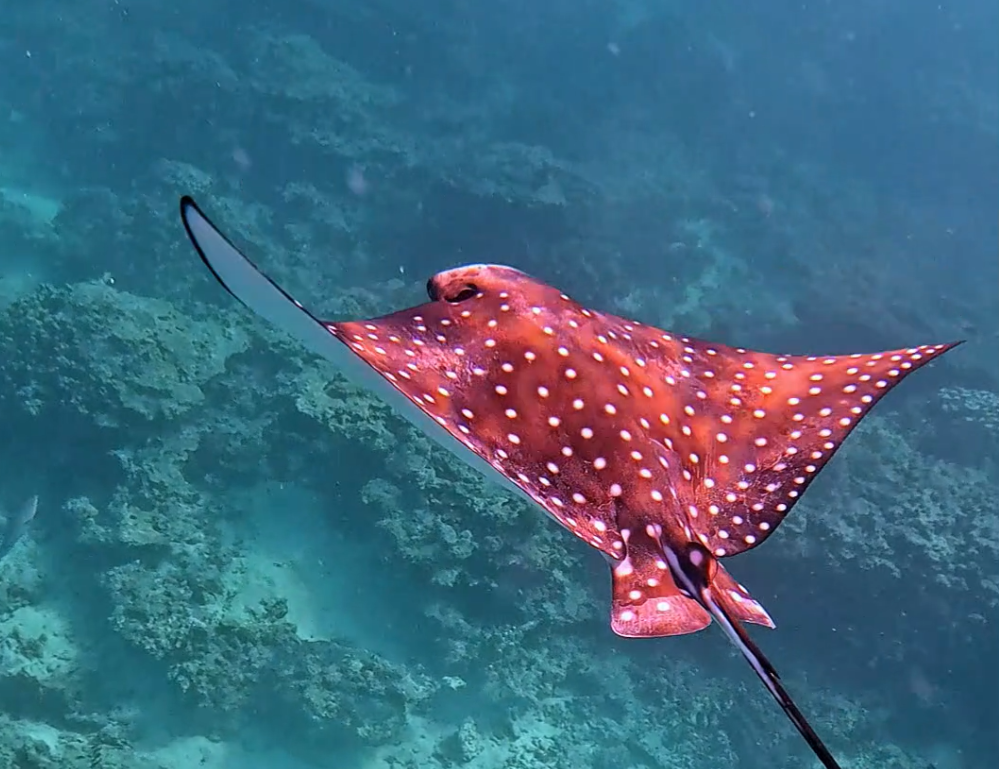
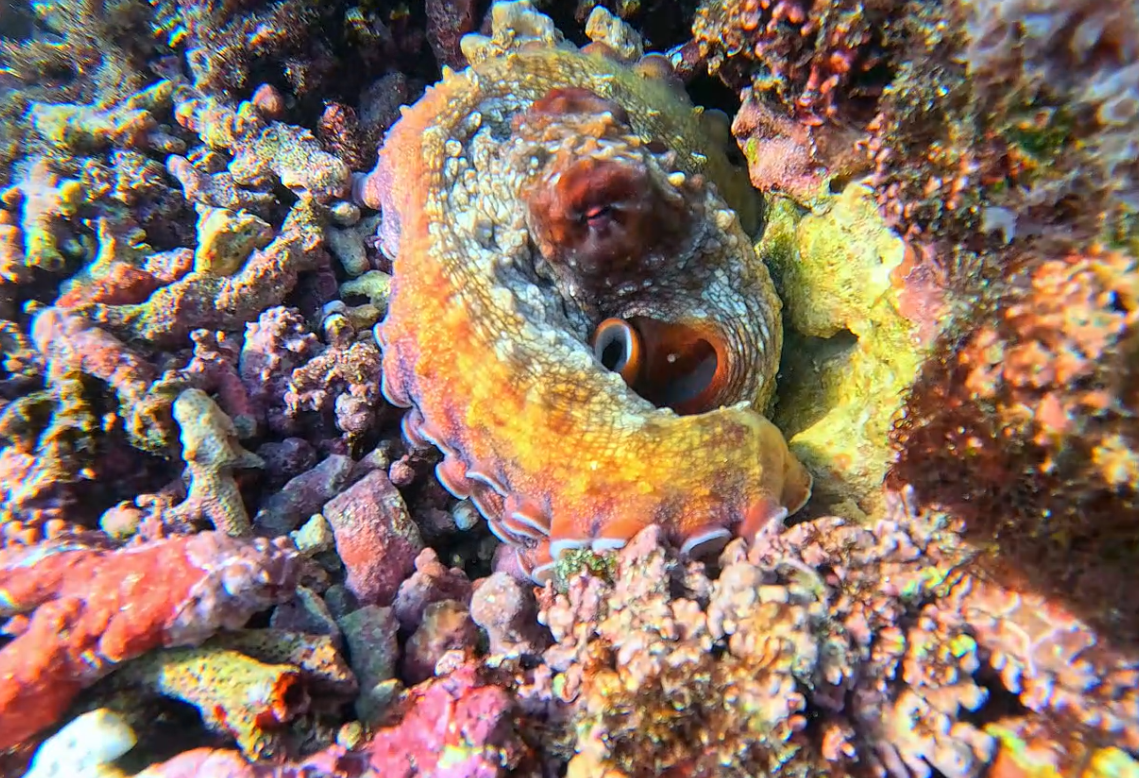
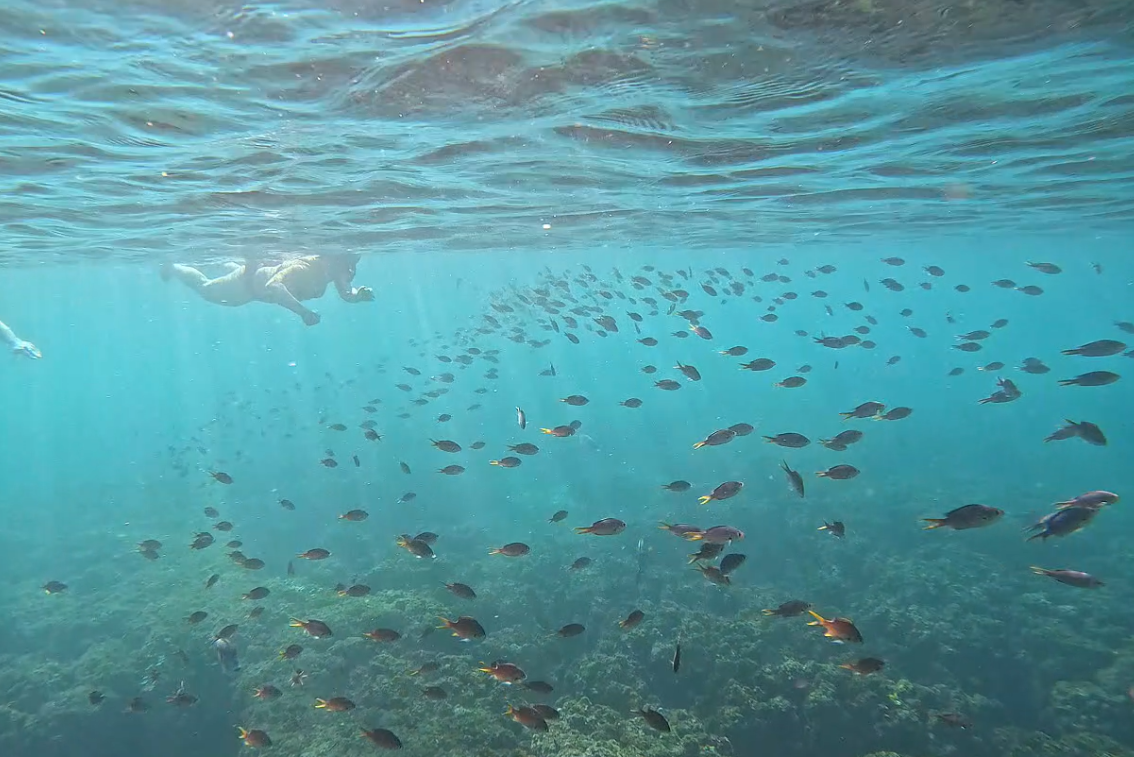
Depending on the location and conditions, you may encounter:
- Colorful reef fish
- Coral formations
- Sea turtles
- Rays
- Moray eels
- Octopus
- Black Tip Reef Shark
Various other marine species, and occasionally, you may get lucky with larger marine life.
But here's an important rule of wildlife watching: Never book a trip based on a promise that you'll see a particular animal.
Nature doesn't take reservations.
Your guide can take you to areas where sightings are common, but nobody can honestly guarantee that a turtle, dolphin, ray or any other wild animal will appear on cue.
And honestly, that's part of what makes the experience exciting.
When Is the Best Time to Visit Daymaniyat Islands?
This is where you need to pay attention.
The Daymaniyat Islands are a protected nature reserve, and access is subject to environmental regulations.
According to the current Environment Authority rules, entering/landing on the island beach and camping are prohibited from May through October. Outside this period, camping is permitted only in designated locations on Al Jabal Al Kabeer spot and Al Joon spot, with limits on the number of people and tents.
So if you're dreaming of stepping onto the beaches, exploring the islands or camping under the stars, November through April is the key season to plan around.
Snorkeling trips in the surrounding waters of the island, however, are permitted throughout the year.
If you are looking to swim with Whale Sharks, then these gentle giants visit Oman's coastal waters during the months of June until October.
For any trip, however, check the latest reserve regulations and confirm conditions with your tour operator before departure.
Because the sea has another habit we should mention: It occasionally behaves like it owns the place.And technically, it does.
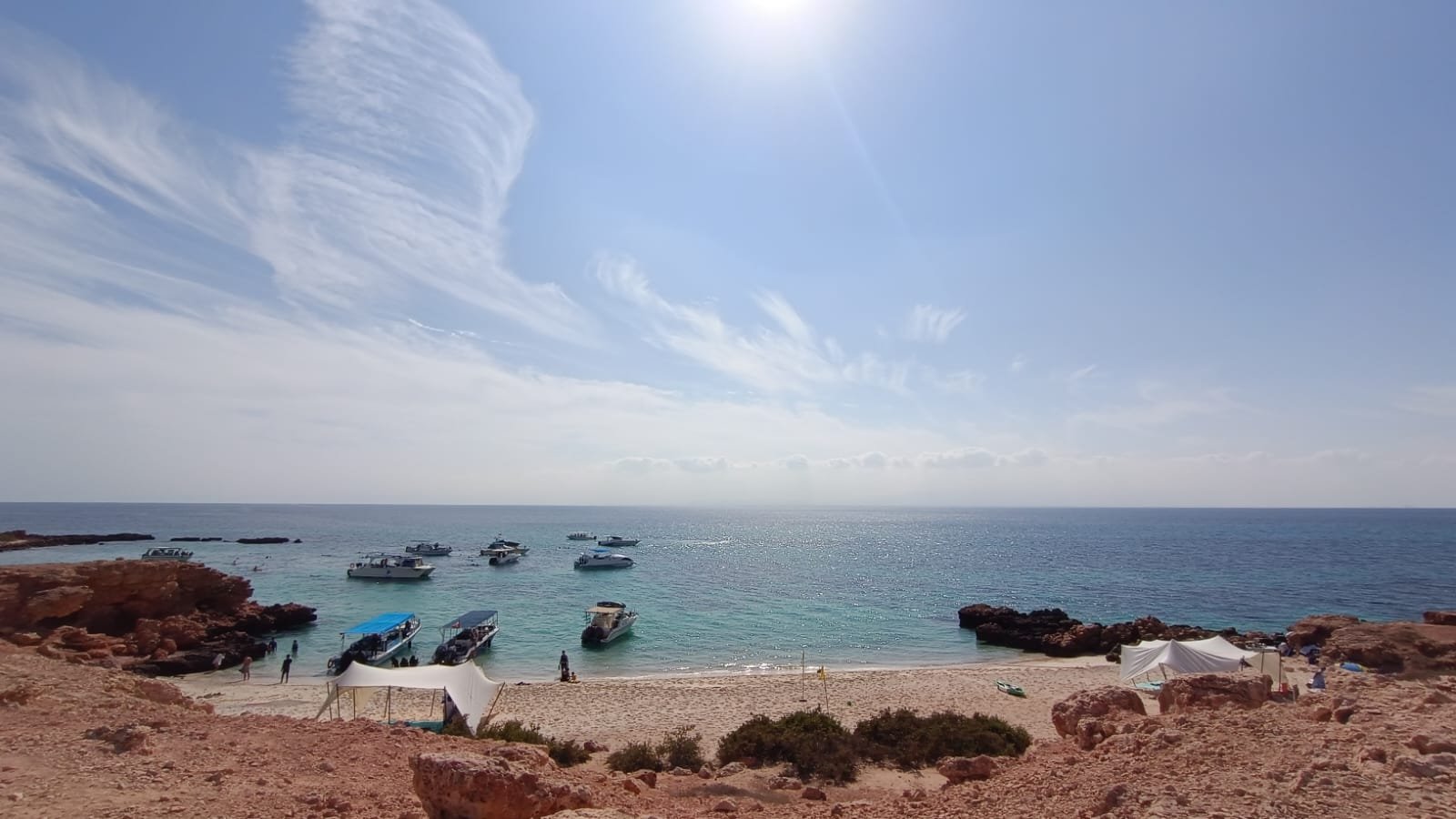
Can You Visit the Beaches?
Yes, but seasonal restrictions apply.
During the period when landing is permitted, the beaches can be one of the most beautiful parts of the experience.
Soft sand, clear water and very little between you and the horizon.
But from May through October, the Environment Authority's current rules prohibit entering/landing on the islands, helping protect wildlife and nesting areas.
This is important because you may find older websites or social media posts saying you can simply land on the islands year-round.
Don't rely on outdated information.
The turtles don't read old blogs. Neither should you.
Can You Camp at Daymaniyat Islands?
Yes, but only during the permitted season and in designated areas.
The current Environment Authority rules allow camping outside the May–October closure period only at designated locations on Al Jabal Al Kabeer and Al Joon.
Camping is limited to a maximum of 12 people or five tents at permitted camping locations.There are also specific rules regarding barbecues, lights, fire and waste.
If you're planning an overnight adventure, make sure your permit and arrangements comply with the current regulations.
Camping on a protected island sounds wonderfully wild.
It should also remain wonderfully responsible.


Do You Need a Permit for Daymaniyat Islands?
Yes.
The Daymaniyat Islands are a protected nature reserve, and visitors need the appropriate permit.
The Environment Authority currently lists several permit categories, including visits, diving and overnight stays.
For a one-day visit, the listed fee is currently:
- Foreign adults: OMR 3
For comparison, the authority currently lists:
- Omani adult day visit: OMR 1
- Foreign adult day visit: OMR 3
- Foreign adult visit + diving: OMR 6
- Foreign adult visit + diving + overnight stay: OMR 10
Children/students under 12 have separate rates.
Permit arrangements can be handled according to the applicable booking process, and if you're joining a tour, ask your operator whether the reserve permit is already included.
That's one less thing to worry about while you're busy deciding whether your waterproof phone case is actually waterproof.
What Should You Bring?
You don't need to pack your entire house.
Although, judging by some boat-trip bags we've seen, people have tried.
For a Daymaniyat Islands tour, we recommend bringing:
Essential
Swimwea
You'll be spending a good part of the trip around the water.
Sunscreen
The Omani sun and the reflection from the sea are a powerful combination.
Hat and sunglasses
Your forehead will thank you.
Drinking water
Stay hydrated.
Towel
Because being wet for five hours is a lifestyle, not a personality.
Waterproof phone pouch
For those all-important turtle photos.
Light cover-up
Useful before and after swimming.
Personal medication
Bring anything you normally need.
And one thing you should definitely bring:
A good attitude toward nature.
That means no touching coral, no chasing turtles, no collecting shells or marine life, and absolutely no leaving rubbish behind.
The Environment Authority requires visitors to follow reserve rules, prohibits collecting or destroying coral and marine species, prohibits disturbing nesting turtles or their eggs, and requires waste to be handled appropriately.
Responsible Tourism at Daymaniyat Islands
This might be the most important section of the entire article.
The Daymaniyat Islands are not a theme park.They're a protected ecosystem.
The reason the water is beautiful, the reefs are alive and turtles continue to use the islands is because the environment is protected.
So when you visit:
Don't touch coral
Even if it looks like a cool souvenir.It isn't.Leave it exactly where it belongs.
Don't touch turtles
Not for a photograph.Not because they look friendly.Not because your friend says, “Just one quick touch.” Admire them from a respectful distance.
Don't disturb nesting areas
Turtle nests and eggs are protected, and visitors must not interfere with them.
Take your rubbish with you
The Environment Authority specifically emphasizes responsible waste management in the reserve.
Don't interfere with fishing equipment
Fishing is part of the local coastal environment, and the reserve rules prohibit tampering with fishermen's nets and cages.
Follow your guide
Your guide isn't trying to ruin your fun when they tell you where you can and cannot go.They're helping protect the place you're there to enjoy.

Is Daymaniyat Islands Good for Families?
It can be a fantastic family adventure.
Children often love the boat ride, the excitement of spotting fish and the possibility of seeing turtles.
But remember that this is an open-water experience.Children should be comfortable with the conditions and closely supervised.
Always check the age requirements, safety arrangements and equipment offered by your chosen tour operator before booking.
And parents, prepare yourselves.
You may have to answer the question:“Are we there yet?”Approximately 37 times.
It's still worth it.
Do You Need to Be a Strong Swimmer?
Not necessarily, but you should be honest about your swimming ability.
Snorkeling takes place in open water, so conditions can vary.
If you're not a confident swimmer, tell your guide before entering the water.
Don't pretend you're Michael Phelps because everyone else has already jumped in.
A good guide can help you choose a comfortable approach and use the available safety equipment.
Your job is to enjoy the experience. Their job is to help keep you safe.
How Much Does a Daymaniyat Islands Tour Cost?
Tour prices vary depending on the operator, departure point, group size, inclusions and type of trip.
As a current reference, an official Oman tourism booking listing shows a half-day Daymaniyat Islands snorkeling trip from OMR 25 per person.
Prices are subject to change and different operators may offer different inclusions.
When comparing Daymaniyat Islands tours, don't look at the price alone.
Check whether the package includes:
- Reserve permit
- Boat trip
- Snorkeling equipment
- Life jackets
- Drinking water
- Food or refreshments
- Guide
- Hotel transfer, if offered
- Number of snorkeling stops
- Trip duration
Sometimes the cheapest trip isn't the best-value trip.
And sometimes paying a little more for a better boat, experienced crew and smaller group can make the entire day feel different.
Why Choose a Local Daymaniyat Islands Tour?
This is where local knowledge really matters.
The Daymaniyat Islands aren't just one giant snorkeling spot.
Conditions change. Wind changes. Visibility changes. Marine life moves.
A good crew knows that today's best location might not be yesterday's best location.
Rather than simply following a fixed itinerary, experienced crews can make decisions based on sea conditions and the comfort of their guests.
At Daymaniyat Muscat Tours, our goal isn't simply to take you from point A to point B. It's to make the journey itself part of the experience.
We want you to enjoy the boat ride.We want you to understand the environment you're visiting.We want you to feel comfortable in the water. And yes, we want you to see turtles.
But most importantly, we want you to leave thinking:“That was one of the best things we did in Oman.”
Daymaniyat Islands: A Simple First-Timer's Checklist
Before leaving your hotel, ask yourself:
Have I packed swimwear?
Do I have sunscreen?
Do I have water?
Is my phone protected from saltwater?
Have I checked the weather and sea conditions?
Have I confirmed my departure point?
Do I know whether my tour includes the reserve permit?
Have I checked the current Environment Authority rules?
If the answer is yes to all eight, congratulations! You're officially more prepared than the person who arrives at the marina wearing jeans.
So, Is Daymaniyat Islands Worth Visiting?
Here's our honest answer.
If you came to Oman only for forts and mountains, Daymaniyat will surprise you.
If you came for beaches, it will give you something more.
If you came for adventure, it will deliver.
And if you came hoping to see a sea turtle swimming through crystal-clear Omani water...Well, that's where things get really special.
The Daymaniyat Islands are not about ticking another attraction off your Oman itinerary.
They're about getting out on the water.
They're about feeling the wind on your face as Muscat disappears behind you.
They're about jumping into the Gulf of Oman and discovering a world beneath the surface.
They're about seeing a turtle glide past and realizing that, for a few seconds, nobody on the boat is talking.
And they're about discovering that some of Oman's most extraordinary landscapes aren't found in the desert or mountains. They're found underwater.
Ready to Discover Daymaniyat?
Your Oman adventure doesn't have to end at the coastline. Come with us beyond it.
At Daymaniyat Muscat Tours, we're here to take you from Muscat to one of Oman's most remarkable marine environments - safely, comfortably and with plenty of time to enjoy what makes the islands so special.
Bring your swimwear.
Bring your curiosity.
Bring your sense of adventure.
We'll take care of the rest.
The Daymaniyat Islands are waiting. And yes...the turtles are probably already judging your snorkeling technique.
Book Your Daymaniyat Islands Tour from Muscat
Explore. Snorkel. Discover. Respect the sea.
Daymaniyat Muscat Tours — Your adventure starts here.